
Recessions test portfolios—and investor discipline. While markets often price in economic weakness before official downturns begin, the best investments during a recession prioritize capital preservation, reliable income, and selective opportunism. In 2025, with lingering inflation, elevated debt levels, and tighter credit conditions, recession-resilient assets share three traits: strong balance sheets, inelastic demand, and pricing power.
Top Recession-Resistant Investment Categories
- High-Quality Short-Duration Bonds
U.S. Treasury securities and investment-grade corporate bonds with maturities of 1–3 years offer 4.8–5.5% yields with minimal interest rate risk. During economic contractions, investors flock to safety—often pushing bond prices higher and providing both yield and capital appreciation. TIPS (Treasury Inflation-Protected Securities) add a hedge if inflation proves sticky even amid slowing growth. - Defensive Dividend Stocks
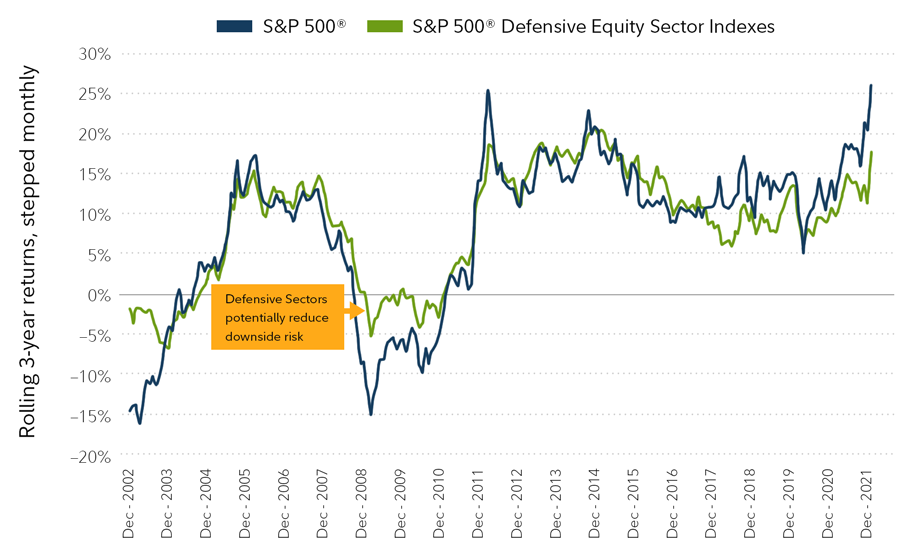
Companies in healthcare, utilities, and consumer staples—particularly “Dividend Aristocrats” with 25+ years of payout growth—tend to outperform in recessions. Their products are essential (toothpaste, electricity, prescription drugs), giving them stable cash flows and pricing power even when consumers cut discretionary spending. - Private Real Assets with Contractual Cash Flow
For accredited investors, logistics real estate, medical office buildings, and midstream energy infrastructure often feature long-term, triple-net leases with creditworthy tenants (e.g., governments, hospitals, Fortune 500 firms). These assets generate 5–7% net annual income with low correlation to consumer sentiment—making them resilient during downturns.
Opportunistic Plays: Buying Quality on Sale
Recessions also create rare entry points for long-term investors:
- High-quality equities with strong balance sheets often sell off indiscriminately—creating attractive valuations.
- Distressed private credit or discounted real estate debt can offer 8%+ risk-adjusted returns for those with dry powder and expertise.
At ValueFinity, we’ve historically deployed capital during recessionary troughs into assets with durable cash flows—such as data centers or energy terminals—when seller distress creates pricing dislocations.
- Cyclical sectors: Autos, luxury goods, travel, and speculative tech typically suffer deepest.
- High-yield (junk) bonds: Default risk spikes in recessions; spreads widen sharply.
- Leveraged positions: Margin calls and forced selling amplify losses when liquidity dries up.
Conclusion
The best investments during a recession aren’t about predicting the downturn—they’re about preparing for it. By anchoring your portfolio in quality, income, and real assets, you protect capital while positioning to capitalize on dislocations when others are forced to sell.
For institutional-grade strategies designed to navigate economic contractions with resilience and opportunity, visit valuefinity.com or reach us at Capital@valuefinity.com .
