
In 2025, gold remains a time-tested reserve asset—but not a standalone investment strategy. With persistent geopolitical tensions, central bank buying at multi-decade highs, and concerns about long-term currency debasement, gold offers portfolio insurance, not high growth. The best investments in gold are those that provide efficient, low-cost exposure while avoiding speculative premiums, storage complexities, or misleading yield promises.
Three Smart Ways to Invest in Gold
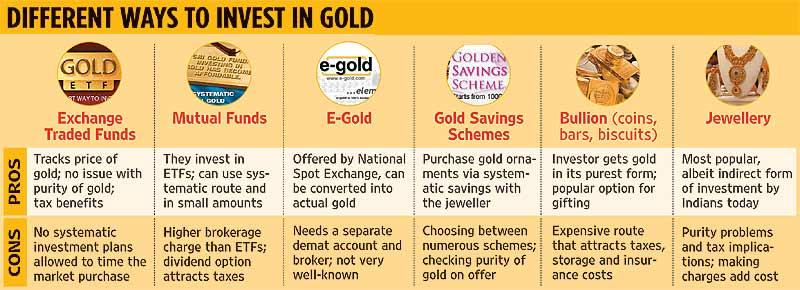
- Gold ETFs (Physical-Backed)
Funds like SPDR Gold Shares (GLD) or iShares Gold Trust (IAU) hold physical gold in secure vaults and trade like stocks. They offer instant liquidity, no storage concerns, and tight tracking to spot prices. Expense ratios are low (0.25–0.40%), making them ideal for tactical allocations. - Gold Mining Stocks (for Leveraged Exposure)
Companies with low-cost, high-margin operations—such as Newmont or Agnico Eagle—offer leveraged upside to gold price moves. During bull markets, miners often outperform physical gold due to operational leverage. However, they carry company-specific risks (management, costs, jurisdiction), so limit exposure to 1–3% of a diversified portfolio. - Allocated Physical Gold (for Long-Term Holders)
For investors seeking true ownership, allocated gold bars or coins stored in professional vaults (e.g., via Brink’s or Perth Mint) provide direct, unencumbered exposure. While less liquid and subject to storage/insurance fees, physical gold eliminates counterparty risk—critical in extreme stress scenarios.
What to Avoid
- Gold futures or leveraged ETFs: High decay risk and unsuitable for buy-and-hold investors.
- Unallocated “paper gold” accounts: Often unsecured liabilities of the provider, not actual ownership.
- Gold IRAs with high markups: Many charge 2–3x spot price for coins, eroding long-term value.

Strategic Role in a Portfolio
Gold doesn’t generate income, but it diversifies risk. According to the World Gold Council (2025), a 5–10% allocation to gold historically:
- Reduced portfolio volatility during equity drawdowns
- Provided positive returns during inflation shocks
- Acted as a hedge during currency crises
At ValueFinity, we typically recommend gold as a tactical hedge, not a core holding—deployed when real interest rates turn negative or geopolitical risk spikes.
Conclusion
The best investments in gold are simple, transparent, and cost-efficient. They serve a clear purpose: preserving capital when traditional assets falter. In 2025, gold belongs in a diversified portfolio—but as a stabilizer, not a star.
For institutional-grade portfolio construction that includes strategic commodity exposure, visit valuefinity.com or reach us at Capital@valuefinity.com .
