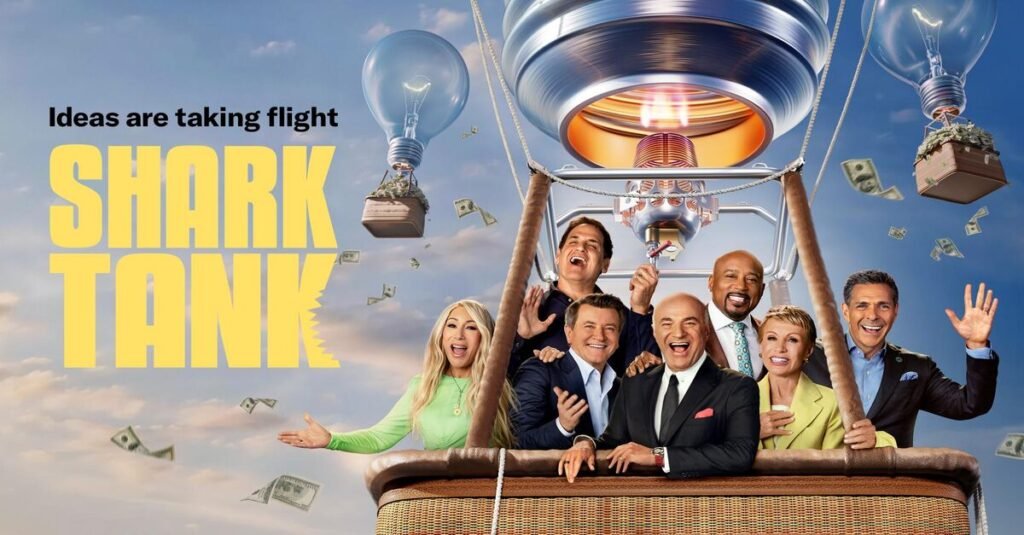
Shark Tank is compelling television—full of passion, drama, and the occasional breakout success. But for serious investors, the show’s most valuable lesson isn’t which pitch won a deal—it’s understanding what makes a business truly investable in the real world. While a few Shark Tank companies have grown into household names (like Scrub Daddy and Ring), the vast majority of deals either underperform, fail, or never scale beyond their initial hype.
The “best investments” on Shark Tank aren’t the ones with the flashiest product or the most emotional story—they’re the ones that demonstrate scalable unit economics, repeatable customer acquisition, and defensible margins.
Profitability Before Growth The most successful Shark Tank businesses aren’t those raising $1M to “scale fast”—they’re the ones with positive unit economics already.
Example: Scrub Daddy sold over 10 million units before appearing on the show, with 70%+ gross margins.
Contrast: Many startups spend heavily on ads to acquire customers who never return. That’s not a business—it’s a burn rate.
Ownable IP or Brand Differentiation Products that can’t be copied easily have staying power.
Ring (acquired by Amazon) had proprietary hardware + cloud software + patent protection.
Bombas built a brand around comfort and social impact—turning socks into a lifestyle product with 60%+ margins. Without a moat, even great products become commodities.
Distribution That Doesn’t Rely on TV A Shark Tank appearance can spike sales overnight—but sustainable growth requires scalable channels:
Direct-to-consumer e-commerce
Retail partnerships (Target, Walmart, etc.)
International licensing Companies that rely solely on post-show media buzz rarely survive long-term.
These are the same questions institutional investors ask before writing a check for $10M—or $10B.
Conclusion The best investments inspired by Shark Tank aren’t the products you see on TV—they’re the business fundamentals those products reveal. For serious investors, the lesson is clear: Look past the pitch. Evaluate the profit.
“There are two things I look for in a financial adviser. Firstly, a thorough, up to date knowledge of all aspects of government rules and regulations pertaining to superannuation and investments.