
War—whether regional or global—introduces extreme uncertainty into financial markets. Supply chains fracture, commodity prices spike, defense spending surges, and risk sentiment evaporates. While no investment is immune to the human and economic toll of conflict, history shows that certain assets consistently demonstrate resilience during wartime. The best investments during war prioritize capital preservation, real asset backing, and low correlation to conflict zones—not speculation on military outcomes.
Historically Resilient Assets During Wartime
1. U.S. Treasury Securities
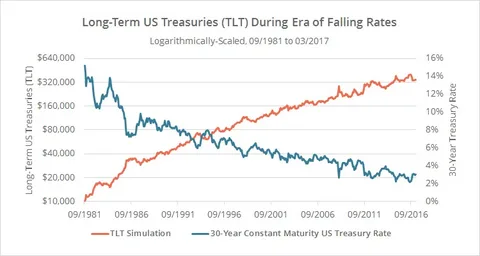
In times of global stress, capital floods into the world’s deepest, most liquid safe haven: U.S. government debt. During the 2022 Russia-Ukraine invasion, 10-year Treasury yields initially spiked, but short-duration T-bills (1–3 year) held steady with yields near 5%. Their zero credit risk and guaranteed repayment make them the bedrock of wartime capital preservation.
2. Gold and Precious Metals
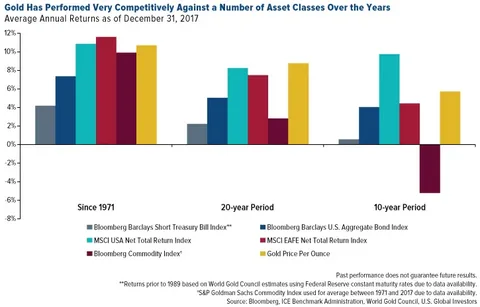
Gold has served as a non-sovereign store of value during every major conflict of the 20th and 21st centuries. During the 2022 invasion, gold rose +16% in six months. In 1991 (Gulf War) and 2003 (Iraq War), it outperformed equities during initial volatility. Allocate 5–10% via physical gold ETFs (e.g., GLD, IAU)—not leveraged or speculative vehicles.
3. Defense and Critical Infrastructure Equities
Governments dramatically increase military and security spending during war. Companies with long-term defense contracts or essential infrastructure roles benefit:
- Lockheed Martin, Raytheon, Northrop Grumman (U.S. defense primes)
- Energy logistics firms (pipelines, terminals with government charters)
- Cybersecurity providers (e.g., Palo Alto Networks, CrowdStrike)
These firms often see multi-year revenue visibility due to budgetary inertia.
What to Avoid During War
- Exposure to conflict regions: Russian, Ukrainian, or Middle Eastern equities/bonds can collapse or be frozen.
- Commodity speculation: While oil may spike, timing reversals is near-impossible (e.g., oil fell 70% in 2020 despite ongoing tensions).
- High-yield or emerging market debt: Capital flight triggers defaults and currency crashes.
- Cryptocurrency as “safe haven”: Despite early 2022 Ukraine hopes, crypto proved highly correlated to risk assets—not a war hedge.
The Institutional Approach: Real Assets with Sovereign Backing
At ValueFinity, our wartime strategy emphasizes real, income-generating assets with government or essential-service linkages:
- U.S. midstream energy infrastructure with take-or-pay contracts
- Data centers supporting national security or cloud resilience
- Logistics real estate serving defense supply chains or humanitarian corridors
These assets combine contractual cash flow, inflation linkage, and strategic importance—making them less vulnerable to sentiment swings.
Critical Perspective: War Is Not an Investment Thesis
Ethically and strategically, no serious investor “bets on war.” The goal isn’t to profit from conflict—but to protect capital so you can participate in the eventual recovery. History shows markets rebound strongly post-conflict (S&P 500 rose 30% in the year after the 1991 Gulf War armistice).
Conclusion
The best investments during war are defensive, liquid, and grounded in economic necessity—not battlefield predictions. By anchoring your portfolio in U.S. Treasuries, gold, and essential infrastructure, you preserve optionality while avoiding irreversible losses.
For institutional-grade strategies designed to navigate geopolitical stress with discipline and resilience, visit valuefinity.com or reach us at Capital@valuefinity.com .
