High inflation—sustained price increases above 3–4%—is a silent wealth eroder. Cash loses value, fixed incomes fall short, and traditional 60/40 portfolios struggle as bonds and equities correlate negatively. In 2025, with inflation proving stickier than expected in key sectors (housing, services, energy), the best investments during high inflation are those that generate income linked to price increases, hold intrinsic value, and benefit from monetary debasement.
Top Investments for High Inflation Environments
1. Real Assets with Inflation-Linked Cash Flows
Tangible assets that can raise prices alongside costs outperform in inflationary regimes. Top performers include:
- Private real estate in logistics, data centers, or seniors housing with annual CPI-based lease escalations (delivering 5–8% net yields)
- Midstream energy infrastructure (pipelines, terminals) with take-or-pay contracts often tied to inflation indices
- Farmland and timberland—productive assets with pricing power in food and materials
These assets generate cash flow that grows with inflation—unlike fixed coupons or stagnant dividends.
2. Treasury Inflation-Protected Securities (TIPS)
TIPS are U.S. government bonds whose principal adjusts with CPI. When inflation rises, so does the payout. With real yields near 2.0% in 2025, TIPS offer both safety and inflation pass-through—making them ideal for core fixed-income allocations.
ETF Option: iShares TIPS Bond ETF (TIP) or Schwab U.S. TIPS ETF (SCHP)
3. Commodities and Commodity-Linked Equities
Hard assets like oil, natural gas, copper, and uranium historically outpace inflation. More accessible for most investors are equities of producers with low breakeven costs:
- Integrated energy majors (e.g., Exxon, Chevron) – strong cash flow, shareholder returns
- Mining companies (e.g., Freeport-McMoRan, Cameco) – exposure to industrial & nuclear demand
- Agricultural firms (e.g., Deere & Company) – benefit from food inflation and equipment replacement cycles
What to Avoid During High Inflation
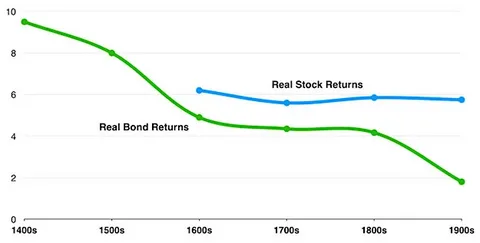
- Long-duration nominal bonds: Lose real value as inflation erodes fixed coupons.
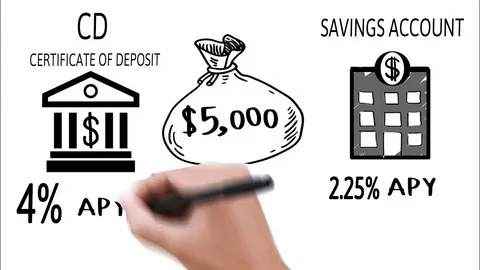
- Cash and savings accounts: Even at 5% yield, negative real returns persist if inflation is 6%+.
- High-valuation growth stocks: Discounted future cash flows shrink as real rates rise.
- Mortgage REITs and BDCs: Often use short-term debt to fund long-term assets—vulnerable to rate spikes.
The ValueFinity Approach: Inflation as a Structural Feature
Since 2002, we’ve managed capital through multiple inflation cycles by focusing on real economic activity, not financial engineering. Our current allocations emphasize:
- U.S. midstream energy infrastructure with 10-year, inflation-linked contracts
- AI-driven logistics real estate benefiting from e-commerce and reshoring
- Selective exposure to uranium and copper via private equity partnerships
These assets don’t just hedge inflation—they profit from it.
Conclusion
The best investments during high inflation aren’t speculative—they’re structural. They reflect an understanding that money is a depreciating asset, and real wealth resides in ownership of scarce, income-generating resources. By anchoring your portfolio in assets that rise with prices, you protect—and grow—purchasing power when it matters most.
For institutional-grade strategies designed to thrive in inflationary regimes, visit valuefinity.com or reach us at Capital@valuefinity.com .
