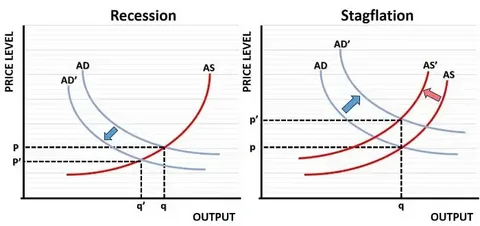
Stagflation—a rare but dangerous combination of stagnant economic growth, high unemployment, and persistent inflation—presents one of the toughest environments for investors. Traditional portfolios often falter: equities suffer from weak earnings, while bonds lose value as real yields turn negative. The last major stagflation episode (1970s–early 1980s) saw the S&P 500 deliver near-zero real returns for over a decade. In 2025, with inflation proving stickier than expected and global growth slowing, the best investments for stagflation prioritize real assets, pricing power, and inflation-linked cash flows.
Top Stagflation-Resistant Assets
- Commodities and Commodity-Linked Equities
Hard assets like oil, natural gas, and industrial metals tend to rise during inflationary supply shocks. More accessible for most investors are equities of commodity producers with low breakeven costs:- Integrated energy majors (e.g., Exxon, Chevron) with strong balance sheets
- Mining companies with exposure to copper and uranium (critical for energy transition)
These firms benefit from rising input prices while generating free cash flow to support dividends.
- Real Assets with Inflation-Linked Revenue
Direct or fund-based exposure to:- Midstream energy infrastructure (pipelines, terminals) with fee-based, take-or-pay contracts often indexed to CPI
- Logistics and industrial real estate with leases containing annual rent escalations tied to inflation
Such assets generate 5–8% net yields with built-in protection against rising prices.
- TIPS and Short-Duration Inflation-Linked Bonds
Treasury Inflation-Protected Securities (TIPS) adjust principal based on CPI, ensuring real return preservation. In 2025, short-duration TIPS (1–5 year) offer breakeven inflation rates near 2.4%—providing a liquid, low-risk hedge without long-duration interest rate risk.
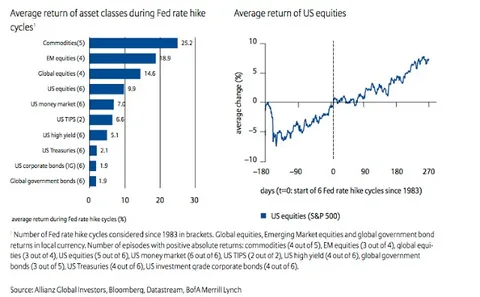
What Underperforms in Stagflation
- Long-duration growth stocks: High valuations collapse when real rates rise
- Traditional 60/40 portfolios: Bonds lose value; equities stagnate
- Cash and nominal bonds: Eroded by inflation, delivering negative real returns
The ValueFinity Strategy: Real Cash Flows Over Paper Promises
At ValueFinity, our stagflation playbook emphasizes assets with contractual, inflation-adjusted income:
- Direct ownership in U.S. midstream oil and gas infrastructure with 10-year pipelines agreements
- Private real estate in logistics hubs with CPI-linked lease escalations
- Select energy equities that return capital via buybacks and dividends
This approach delivered positive real returns during the 2022–2024 inflation surge—while passive portfolios lagged.
Conclusion
The best investments for stagflation aren’t about predicting the macro—they’re about owning assets that thrive when money loses purchasing power. By anchoring your portfolio in real economic activity, tangible resources, and inflation-linked contracts, you protect capital while positioning to outperform when others are forced to sell.
For institutional-grade strategies designed to navigate stagflation with resilience and return, visit valuefinity.com or reach us at Capital@valuefinity.com .
