Exchange-Traded Funds (ETFs) remain one of the most efficient ways for investors to gain diversified, liquid, and low-cost exposure to global markets. In 2025, with elevated valuations in some sectors and persistent macro uncertainty, the best ETF investments prioritize broad diversification, minimal fees, and alignment with structural economic trends—not short-term hype or narrow thematic bets.
Core Principles for Choosing the Best ETFs
- Low expense ratios (<0.10% for core holdings)
- High liquidity and tight bid-ask spreads
- Transparent, rules-based indexing (avoid opaque “smart beta” gimmicks)
- Tax efficiency (low turnover = fewer capital gains distributions)
Top ETF Investments for 2025
1. Total Market U.S. Equity: Vanguard Total Stock Market ETF (VTI)
- Expense Ratio: 0.03%
- Holdings: ~4,000 U.S. stocks (large-, mid-, and small-cap)
- Why It’s Essential: Captures the entire U.S. equity market in one trade. Historically delivered ~10% annualized returns over 20 years. Ideal as the core holding for any long-term portfolio.
2. International Developed Markets: Vanguard FTSE Developed Markets ETF (VEA)
- Expense Ratio: 0.05%
- Holdings: Stocks across Europe, Japan, Australia, and Canada
- Why It Matters: Adds critical geographic diversification. Non-U.S. markets are trading at lower valuations than the U.S., offering potential mean-reversion upside.
3. AI & Digital Infrastructure Enablers: Global X Cloud Computing ETF (CLOU) or iShares U.S. Technology ETF (IYW)
- Expense Ratio: 0.68% (CLOU), 0.40% (IYW)
- Focus: Companies providing cloud infrastructure, semiconductors, and enterprise software—not speculative AI startups
- Use Sparingly: Allocate 5–10% max as a satellite holding to capture secular tech tailwinds without overconcentration.
Specialized ETFs for Specific Goals
- Dividend Income: Schwab U.S. Dividend Equity ETF (SCHD)
Focuses on companies with strong cash flows and consistent payouts—yielding ~3.2% with lower volatility than the S&P 500. - Inflation Protection: iShares TIPS Bond ETF (TIP)
Holds Treasury Inflation-Protected Securities—ideal for preserving purchasing power if inflation remains sticky. - Short-Term Safety: iShares Short Treasury Bond ETF (SHV)
Yields ~5.2% with near-zero interest rate risk—perfect for emergency reserves or near-term goals.
What to Avoid
- Thematic ETFs with narrow focus (e.g., “Metaverse,” “Blockchain,” “Meme Stocks”)—often high-fee, illiquid, and prone to hype cycles.
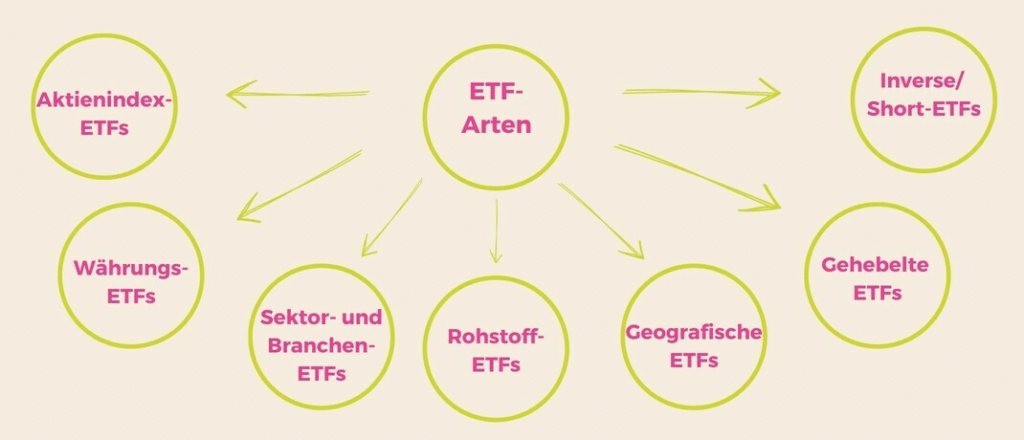
- Leveraged or inverse ETFs—designed for daily trading, not long-term holding; decay erodes returns over time.
- ETFs with >0.50% expense ratios unless they offer truly unique, active management (rare).
The ValueFinity Perspective
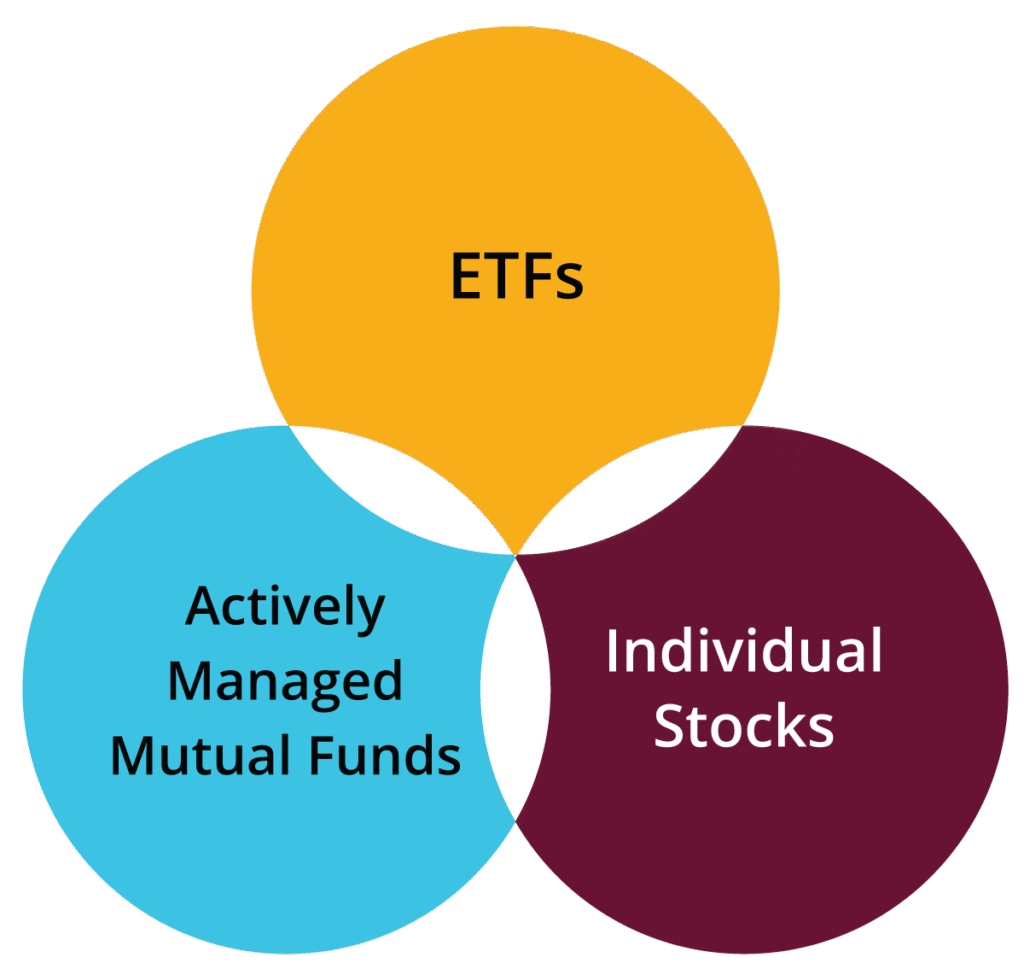
At ValueFinity, we use ETFs as efficient core exposures—but never as the entirety of a portfolio. For institutional clients, we pair low-cost ETFs (like VTI) with private real assets (data centers, energy infrastructure) to enhance returns and reduce correlation risk. This hybrid approach delivers both market beta and private alpha.
Conclusion
The best ETF investments in 2025 are simple, transparent, and foundational. Use them to build a low-cost, diversified core—then complement with real assets for true portfolio resilience. Avoid the noise of niche funds; focus on what compounds reliably over decades.
For institutional-grade strategies that integrate ETFs with global real asset investing, visit valuefinity.com or reach us at Capital@valuefinity.com .
